

Building South Africa's Energy Legacy
Twenty-three years of building businesses, reinvesting in growth, and preparing for what comes next.
In June 2026, Zululand Energy Terminal signed agreements with Eskom and ExxonMobil for the development of South Africa's first liquefied natural gas (LNG) import terminal. Eskom committed to becoming a foundation customer for the gas that will power a new 3,000MW gas-to-power plant, while ExxonMobil signed an agreement to supply LNG through the terminal. Behind both agreements is the Zululand Energy Terminal at Richards Bay, a joint venture between Vopak Terminal Durban, Transnet Pipelines and Reatile Group.
For Reatile, the agreements are the latest outcome of decisions made more than two decades ago. It began with two founders, both engineers who had spent their careers inside South Africa's petroleum industry. They understood the sector because they had helped build it. In September 2003, they decided to build something of their own.
Executive Chairman of Reatile, Simphiwe Mehlomakulu, spent almost a decade at Sasol, working across its chemicals, technology and solvents businesses before moving into corporate strategy and international energy trading. Together with his co-founder, he incorporated Reatile with a R5 million commercial bank loan and personal capital at risk, while Standard Bank came in as an early investor, initially taking a 15% shareholding before increasing it to 35% in 2012.
Their first focus was a simple one. South African households, restaurants and businesses depended on liquefied petroleum gas (LPG) every day, and demand continued to grow. In 2006, they established Reatile Gaz, steadily expanding the business before acquiring the LPG cylinder operations of Air Products and later the bulk LPG business of Engen.
That first business became more than Reatile's initial success. It established a pattern that would shape the company's growth over the next two decades. Rather than extracting profits, the founders reinvested them into the next opportunity. Each successful business created the financial foundation for the next one.
As the business grew, so did the founders' understanding of where South Africa's energy system was heading. The success of its LPG business gave Reatile the platform to expand into Johannesburg's natural gas network. In 2010, it acquired an initial 25% stake in Egoli Gas, Johannesburg's natural gas distribution network serving thousands of industrial, commercial and residential customers. Three years later, it acquired the remaining 75%, giving Reatile a much larger role in the country's gas economy.
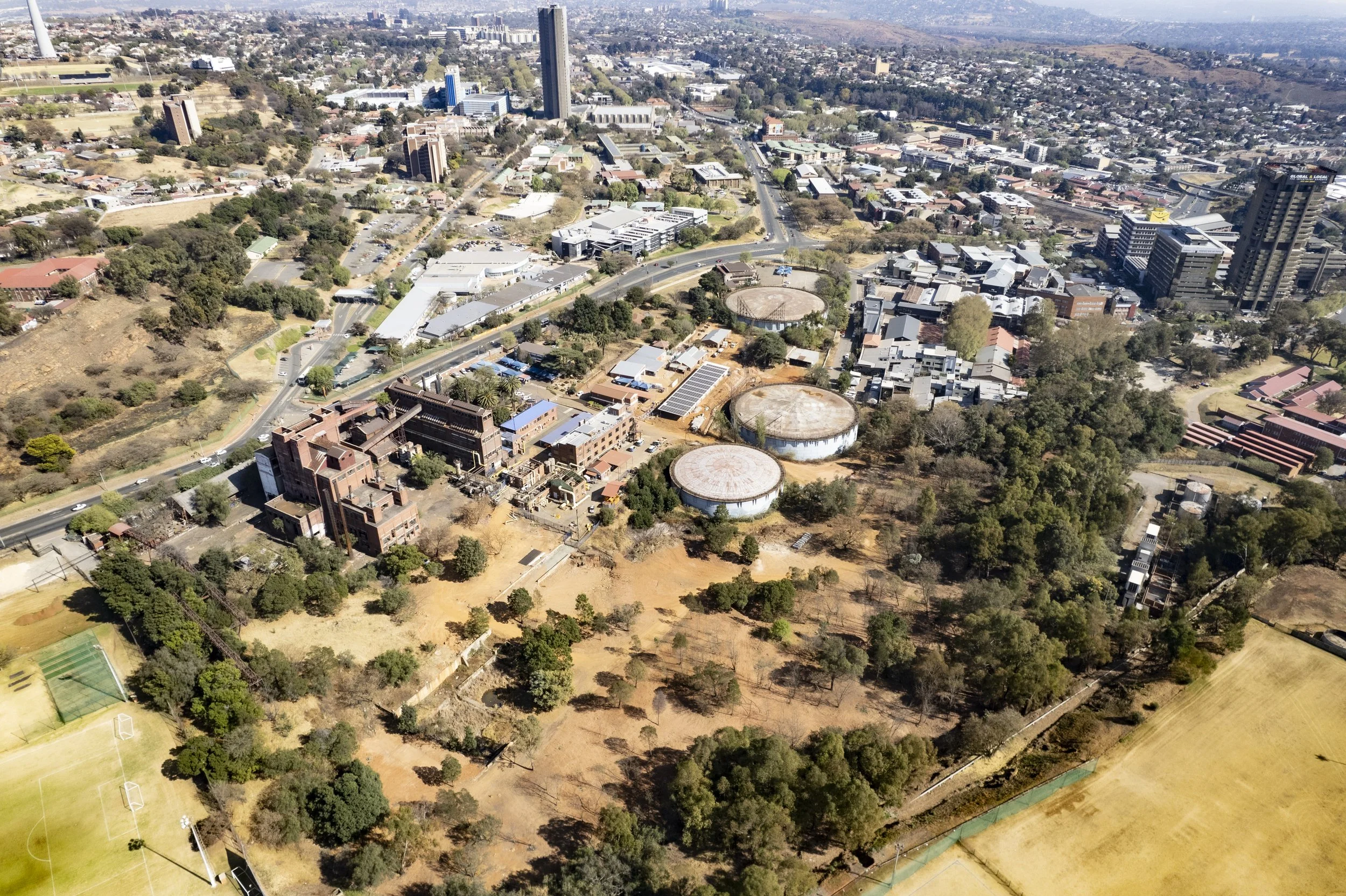
Egoli Gas Site
As those operating businesses matured, Reatile reinvested capital into opportunities aligned with South Africa's energy future.
South Africa's energy system was changing. As local refineries aged and imported fuel became increasingly important, new storage infrastructure was needed to move fuel inland from Durban to the Gauteng corridor. Around 2008, Reatile was among the first to recognise this shift and acquired land in Heidelberg (Lesedi) to develop new fuel storage infrastructure.
Having built successful operating businesses, Reatile was now in a position to invest ahead of the market rather than simply respond to it. In 2012 it partnered with Vopak, one of the world's largest independent fuel-storage companies, investing in the expansion of Vopak Terminal Durban and the development of Vopak Terminal Lesedi, a multi-billion-rand fuel storage terminal forming part of the logistics corridor between Durban and Gauteng.
Fuel arriving through the Port of Durban now moves through Vopak Terminal Lesedi before continuing to Gauteng, where much of South Africa's economic activity takes place. The project brought sustainable jobs and economic activity to the surrounding community.
From its inception, Reatile recognised its responsibility to positively impact the communities in which it operates. To that end, it established the Reatile Foundation Trust in 2003. Since then, the trust has invested more than R42.2 million in education, entrepreneurship and community development initiatives, reaching more than 45,000 people. Its work includes tertiary education scholarships, partnerships with schools and broader community development initiatives.
Reatile continued expanding its natural gas business in 2014 by acquiring an initial 25% stake in CNG Holdings, extending gas distribution beyond pipeline infrastructure to include road transport. The group's shareholding increased to more than 61% in 2024.
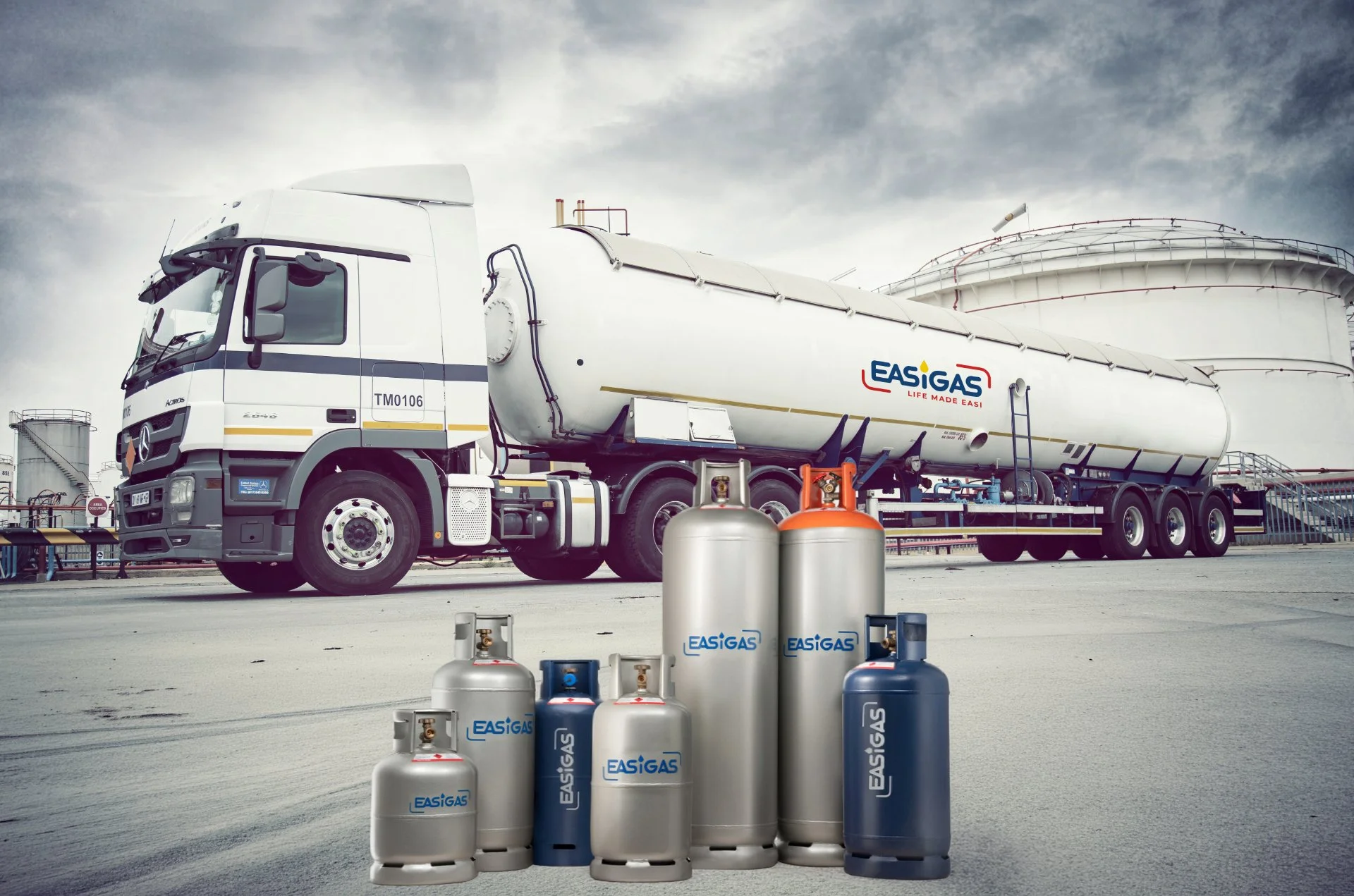
Easigas
By 2015, Reatile had created enough value to buy back Standard Bank's entire 35% stake, returning full ownership of the company to its founders. More than a change in ownership, it marked the point at which a business launched with borrowed capital had become capable of financing its own future through years of building successful businesses and reinvesting their earnings.
Reatile continued strengthening the businesses it had already built. The merger of Reatile Gaz with Easigas created one of South Africa's leading LPG businesses, with Reatile increasing its direct shareholding to 45% by 2024 through the buy-back of Engen's remaining stake.
Reatile's approach remained the same: understand where the industry was heading, then invest ahead of it. As South Africa's energy mix began to change, Reatile established its renewable energy business in 2016, expanding into wind, solar and, more recently, battery storage.
Over the past decade, Reatile built a portfolio of 22 large-scale renewable energy facilities through operating assets, greenfield developments and long-term partnerships, supplying electricity to both government and private offtakers under long-term power purchase agreements. Growth also meant building new capabilities. In 2018, Reatile invested in Pragma, an enterprise asset management business serving asset-intensive industries, strengthening its expertise in managing complex energy infrastructure. A year later, it invested in juwi Renewable Energy South Africa, strengthening its ability to develop, construct, operate and maintain renewable energy facilities across its portfolio.
The same forward-looking approach was now guiding the group's next major investment. As domestic gas supplies declined, South Africa would increasingly need to import natural gas to keep industries operating and support future economic growth. Gas also plays a critical role in supplying reliable, on-demand power, complementing electricity generated from renewable energy.
Building on its partnership with Vopak, Reatile became part of the consortium developing the Zululand Energy Terminal at Richards Bay, South Africa's first LNG import terminal. With infrastructure investment estimated at up to US$1 billion, the project is designed to receive imported LNG, strengthening the country's long-term energy security while supporting future industrial growth and regional power generation.
The group's evolution is also reflected in its leadership. Alongside Executive Chairman Simphiwe Mehlomakulu, Group Chief Financial Officer Charles Phasha oversees the group's financial strategy and capital allocation, while Chief Commercial Officer Sunette Smith leads the group's expanding renewable energy business. Erika Da Cruz, General Manager of Egoli Gas, also plays a leadership role across the group, driving sustainability initiatives and serving as a trustee of the Reatile Foundation Trust.
Today, Reatile's investments span the energy value chain, including LPG, pipeline gas, fuel storage, renewable energy, battery storage and LNG infrastructure.
Each new capability was built on the success of the one before it. The founders studied the industry, built profitable businesses, reinvested the value they created, and kept preparing for where South Africa's energy system was heading next.
That is what makes Reatile's story distinctive. Over twenty-three years, its founders built patiently, reinvested consistently, and turned expertise into businesses, businesses into capital, and capital into infrastructure that helps power South Africa's energy future. It is a story that reflects the meaning of the company's name: Reatile, we have grown, we are growing.
To view the full article: Building SA’s Energy Legacy